Why Choose SafePal Wallet for Crypto Storage?
Deciding on a crypto wallet takes research. Users often look for security and ease of use. SafePal wallet pros and cons help you judge if it fits your needs. This guide explores its features, costs, and limits. We aim for an honest view without hype.
SafePal offers both hardware and software options. Many beginners prefer it due to its low price. Advanced users like its support for many coins. But no wallet is perfect. Knowing SafePal wallet pros and cons – honest assessment guide will save you time and money. Let us start with the basics.
Our analysis draws from real user feedback and technical specs. We cover setup, fees, security, and more. Each section gives clear facts. No empty promises or fluff. By the end, you can decide if SafePal matches your style.
What Makes SafePal Wallet Stand Out?
SafePal started in 2018 with a focus on mobile security. Binance invested in the project early. This gave it trust in the market. The wallet supports over 30 blockchains and thousands of tokens. It works with both iOS and Android devices.
Hardware options include the S1 and X1 models. These devices use air-gapped signatures for extra safety. No Bluetooth or USB connection is needed. Users scan QR codes to sign transactions. This reduces hacking risks. The software version is a mobile app that stores keys locally.
One major SafePal wallet advantage is its low hardware cost. The S1 sells for about $40. This is cheaper than Ledger or Trezor. Yet it still offers cold storage. Beginners find this price appealing. But cheap hardware may have trade-offs in durability.
Another strength is the integrated DApp browser. Users can trade on Uniswap or stake coins inside the app. This removes the need for multiple tools. However, some security experts warn that DApp access can expose users to scams. We discuss this later.
Supported Coins and Networks
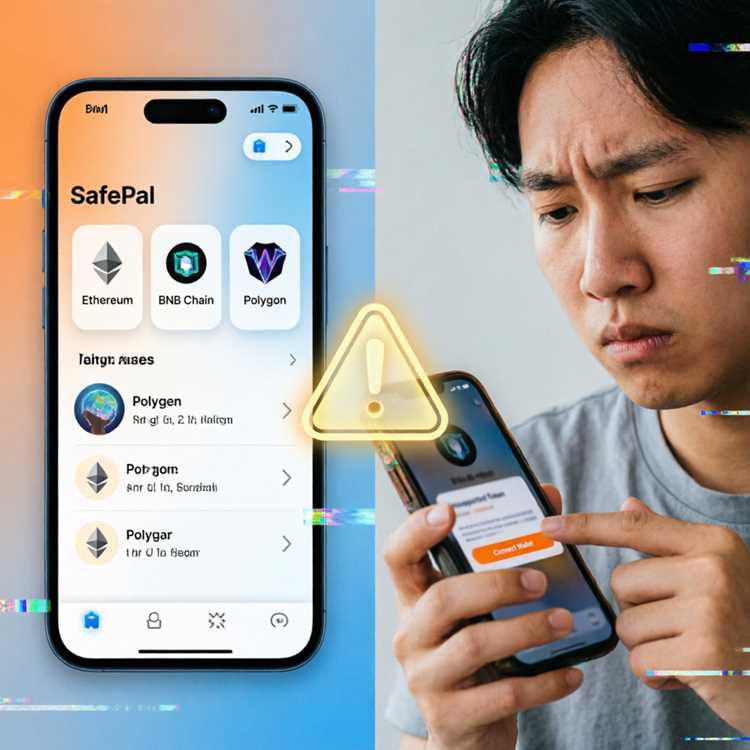
SafePal supports BTC, ETH, BNB, SOL, and many others. It covers major EVM chains. Users can add custom tokens easily. The safepal wallet also supports NFTs on Ethereum and BSC. You can view your NFT gallery directly. This makes it a versatile choice for collectors.
Network fees are paid in native coins. For example, Ethereum transactions require ETH for gas. SafePal does not charge extra fees for sending. Only blockchain fees apply. This is a clear SafePal wallet advantage over some competitors that add service charges.
User Experience and Setup
Setting up SafePal is straightforward. Download the safepal app from official stores. Create a new wallet or import an existing one. Write down the 12-word seed phrase on paper. Never store it digitally. The hardware wallet syncs via QR code scanning.
First use requires pairing the app with the device. This takes about 10 minutes. The interface is simple with clear labels. Beginners rarely get lost. However, advanced users may miss desktop support. SafePal does not have a browser extension for computers. You can use the mobile app only. For a desktop alternative, check the SafePal wallet Firefox integration but it is limited.
SafePal Wallet Pros – What Users Like
Many users praise the low entry cost. A hardware wallet under $50 is rare. SafePal delivers cold storage at a budget price. Another pro is the air-gapped signing. No wired connection means less attack surface. The device has no USB port, so malware cannot spread.
App performance is smooth on modern phones. The SafePal wallet mobile review shows high ratings on app stores. Users appreciate the built-in exchange and staking options. You can swap tokens without leaving the wallet. This saves time.
Customer support is responsive via email and social media. The team provides regular firmware updates. These add new coins and improve security. Overall, the SafePal wallet strengths include affordability, air-gap security, and mobile convenience.
Security Features
SafePal uses a secure element chip in the hardware. This chip stores private keys separately. Even if the device is lost, keys remain safe. The app uses PIN codes and biometric locks. No cloud backup is available, which is actually safer.
Transaction signing happens offline. The QR code method means no radio signals. This prevents remote attacks. Many experts consider this a major SafePal wallet advantage over Bluetooth wallets. However, users must verify the QR code on the device screen. Scammers can trick you if you ignore warnings.
Portability and Design
The S1 device is small, about the size of a credit card. It fits in a wallet or pocket. The screen is monochrome but readable. Buttons are tactile. The device is not waterproof. Dropping it may cause damage. Users should keep it in a protective case.
Battery life lasts for months with normal use. The device uses a coin cell battery. Replacing it is easy. No charging cables are needed. This is convenient for travel.
SafePal Wallet Cons – Where It Falls Short
No wallet is perfect. SafePal has some clear SafePal wallet disadvantages. The first is the lack of desktop support. Many users manage crypto from a computer. SafePal requires a mobile phone for all operations. This can be a dealbreaker for power users.
Another con is the limited token support compared to Ledger. While SafePal covers 30+ chains, Ledger supports over 50. Some niche coins are missing. Users may need multiple wallets. Also, the hardware wallet screen is small. Verifying addresses on a tiny screen can be error prone.
Customer support response times can be slow during peak periods. Some users report delays of 24 hours. The community forum is helpful but not official. Additionally, the SafePal wallet cost for hardware is low, but shipping fees apply. International buyers may pay high delivery charges.
Security Concerns
Although air-gapped, the QR code method has risks. Malicious QR codes could trick users. Always double-check the address on the device screen. Also, the app requests many permissions. Some users worry about privacy. The developer claims no data collection, but verification is limited.
Firmware updates require the app. If the app is outdated, updates may fail. This could leave the device vulnerable. Users must stay vigilant. These are notable SafePal wallet weaknesses that experienced users should weigh.
Ecosystem and Integrations
SafePal lacks integration with popular DeFi platforms like MetaMask. You cannot use it directly with dApps on desktop. The mobile DApp browser works but is less convenient. Also, the wallet does not support hardware wallets from other brands. You are locked into SafePal’s ecosystem.
Some users report bugs after major iOS updates. The SafePal wallet iOS version sometimes freezes. The team fixes issues quickly, but it can be annoying. For Android, performance is more stable.
SafePal Wallet vs Competitors: Quick Comparison
Choosing between hardware wallets can be tough. Below is a table comparing SafePal S1 with Ledger Nano S Plus and Trezor Model One. Prices are approximate as of 2025.
| Feature | SafePal S1 | Ledger Nano S Plus | Trezor Model One |
|---|---|---|---|
| Price (USD) | $40 | $79 | $69 |
| Connection | Air-gapped (QR) | USB-C | USB |
| Supported Coins | 30+ chains | 50+ chains | 40+ chains |
| Screen | Monochrome 1.5" | Monochrome 1.2" | Monochrome 1.5" |
| Desktop App | No | Yes (Ledger Live) | Yes (Trezor Suite) |
| DApp Browser | Built-in mobile | Via Ledger Live | Via third parties |
SafePal wins on price and portability. Ledger wins on desktop integration and coin support. Trezor offers open source firmware. Your choice depends on priorities. This comparison highlights SafePal wallet pros and cons – honest assessment guide in a practical way.
Step-by-Step: How to Set Up SafePal Wallet
Setting up correctly is crucial. Follow these steps to avoid mistakes. This numbered list walks you through the first time use. Always use official sources.
- Download the safepal app from the Apple App Store or Google Play Store. Do not use third-party links.
- Open the app and select “Create Wallet”. Read the terms and accept.
- Write down the 12-word seed phrase on paper. Store it in a safe place. Never type it on any website or app.
- Confirm the seed phrase by entering the words in the correct order.
- Set a strong PIN code (6-8 digits). Enable biometric lock if available.
- If using hardware, turn on the S1 device. Scan the QR code on the device with the app. Follow pairing instructions.
- Backup your wallet using the seed phrase. The device can be restored later.
- Send a small test transaction to verify everything works. Check the address on the hardware screen before signing.
For detailed guidance, read SafePal wallet first use article. It covers troubleshooting common issues. Always update firmware before first use.
SafePal Wallet for NFT Users
NFT collectors often look for mobile-friendly wallets. SafePal supports viewing NFTs on Ethereum, BSC, and Polygon. The SafePal wallet NFT gallery displays all collected items in one place. You can send and receive NFTs directly from the app.
Hardware wallet users can approve NFT transactions offline. This adds security for high-value items. However, minting NFTs through the DApp browser requires caution. Some minting sites are scams. Always double-check contract addresses.
For serious collectors, the ability to store NFTs in cold storage is a clear SafePal wallet advantage. Many hot wallets do not offer this. The gallery interface is simple but lacks advanced filtering. It works well for casual users.
Fees, Costs, and Hidden Expenses
SafePal does not charge monthly fees. The hardware wallet is a one-time purchase. The SafePal wallet cost includes the device price plus shipping. Shipping varies by location. Some countries have customs duties. Check before ordering.
In-app swaps include a spread. This is similar to centralized exchanges. The spread can be 1-2%. For large trades, this adds up. Using a separate DEX may be cheaper. Staking fees depend on the network. SafePal does not add extra charges for staking.
Transaction fees are paid to the blockchain. SafePal cannot reduce these. Users must set gas limits manually in advanced mode. Beginners may overpay. Learning to set gas correctly saves money. Overall, SafePal is affordable but not free for every operation.
Frequently Asked Questions About SafePal Wallet
Here we answer common questions from users. These cover security, compatibility, and troubleshooting. The answers are based on official documentation and user experience.
Is SafePal Wallet Safe for Large Amounts?
SafePal uses secure element chips and air-gapped signing. This makes it safe for most users. However, no wallet is 100% safe. For very large amounts, consider multi-signature or cold storage with multiple devices. SafePal is good for holdings up to $10,000 for most people. Beyond that, diversify storage.
Can I Import My Existing Wallet into SafePal?
Yes. You can import using a 12 or 24-word seed phrase. SafePal supports BIP39 standard. This works with most wallets like MetaMask or Trust Wallet. After import, you can manage those accounts in the app. Hardware wallet import requires scanning the device QR.
Does SafePal Support Staking and Yield?
Yes. The app offers staking for coins like BNB, TRX, and ATOM. You can also provide liquidity through integrated DApps. Rewards are paid directly to your wallet. Note: staking on SafePal is non-custodial. Your keys remain with you. This is a major SafePal wallet advantage over exchange staking.
What Happens If I Lose My SafePal Hardware Device?
You can recover funds using your seed phrase. Purchase a new device or use a compatible software wallet. Restore the wallet by entering the seed in the app. Never share the seed with anyone. The lost device is useless without the PIN and seed.
How Do I Update SafePal Firmware?

Open the app and go to device settings. If a new firmware is available, follow the on-screen instructions. The update happens via QR code scanning. Keep the device charged during the process. Do not interrupt it. Updates add new features and fix security bugs. Stay updated.
Final Verdict: Should You Buy SafePal Wallet?
SafePal offers a good balance of security, price, and convenience. Its SafePal wallet strengths are clear: low cost, air-gapped protection, and mobile focus. The SafePal wallet weaknesses include lack of desktop support and smaller coin list. For beginners and mobile-first users, it is a solid choice.
Experienced traders may prefer Ledger for its desktop integration. But SafePal’s price makes it an excellent backup wallet. If you prioritize portability and ease of use, SafePal is a strong option. Always keep your seed phrase safe. No wallet can protect you from human error. We hope this SafePal wallet pros and cons – honest assessment guide helps you make an informed decision.