Why Choose SafePal for Your Crypto Storage Needs?
Setting up a new crypto wallet can feel complex. SafePal offers a simple, hardware-based solution for managing digital assets. Many users ask how to set up SafePal wallet without losing their funds. This guide walks you through every step. SafePal combines a physical device with a mobile app. Hardware wallets keep private keys offline, away from hackers. Beginners find the process easy with clear instructions. We focus on security and usability.
Understanding Hardware Wallets
Hardware wallets store crypto keys on a dedicated device. They protect against online threats like malware. SafePal connects via QR codes, not USB or Bluetooth. This removes attack vectors from cable connections. Users control their funds directly. No third party holds your keys.
SafePal vs. Software Wallets
Software wallets run on phones or computers. They connect to the internet constantly. Hardware wallets like SafePal offer cold storage. Keys remain offline until you approve a transaction. For large amounts, hardware provides better protection. SafePal supports coins like Bitcoin, Ethereum, and BNB.
What Comes in the Box
| Item | Purpose | Notes |
|---|---|---|
| SafePal S1 device | Hardware wallet | Anti-tamper seal included |
| Screen protector | Scratch prevention | Pre-applied on newer models |
| USB charging cable | Power the device | Micro-USB or USB-C |
| Recovery phrase card | Write down backup words | Keep offline and safe |
| Quick start guide | Setup instructions | Available in multiple languages |
Downloading the SafePal App
The safepal app is your main interface for managing crypto. It pairs with the hardware wallet via QR codes. Download the app from official app stores only. Avoid third-party links to prevent fake versions. The app works on both iOS and Android devices.
Finding the Correct App
Search for "SafePal" in the Apple App Store or Google Play Store. Look for the developer name "SafePal Inc." or "SafePal." Check the number of downloads and reviews. Over 10 million users have downloaded it. Do not use apps with similar names but fewer ratings.
Installing and Updating
Tap install and wait for the download to finish. Open the app after installation. Grant necessary permissions for camera and notifications. The app will check for updates automatically. Keep the app updated for new features and security patches.
Creating Your SafePal Account
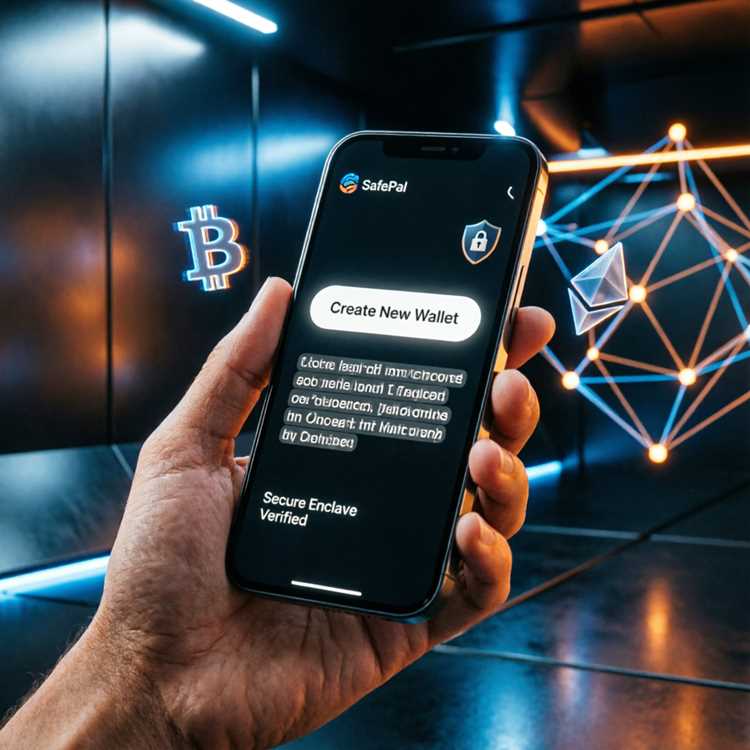
Launch the app and choose "Create Wallet." Select "SafePal S1 Hardware Wallet" from the options. Pairing starts after you select this choice. Follow on-screen instructions to use the camera. Scanning QR codes establishes the connection.
Initializing Your SafePal Device
SafePal wallet initialization begins when you power on the S1. Press the button on the side to turn it on. The device shows a welcome screen. First, users must set a device password. This password protects the physical hardware.
Setting the Device Password
Press the button to pick a 4-8 digit PIN. Confirm the PIN by entering it again. Write down this password separately from your recovery phrase. Do not store them together. Enter the password each time you use the device.
Generating the Seed Phrase
The device generates a 12 or 24-word recovery phrase. This is the master backup for your wallet. Never photograph or type these words online. Write them on the provided card. Store the card in a safe place like a safe deposit box.
Confirming the Backup
The device asks you to verify 2-4 random words from your phrase. This proves you wrote them down correctly. Pass this test to proceed. Losing the seed phrase means losing funds permanently.
Pairing the App and Hardware Wallet
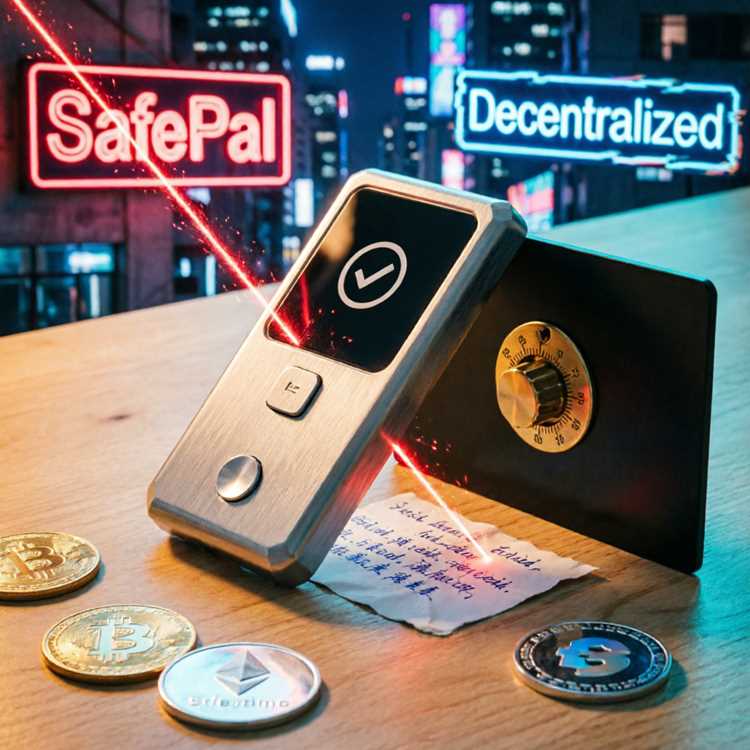
With the device initialized, you can now pair it. Open the safepal app and select "Pair Device." The app displays a QR code. Hold the hardware wallet up to the phone screen. The S1 scans the code using its built-in camera.
Using QR Code Scanning
SafePal uses encrypted QR codes for data transfer. This method is safer than Bluetooth or USB. Each scan signs a transaction without internet exposure. Position the wallet camera directly over the code. Wait for the device to beep and display confirmation.
Verifying the Connection
After scanning, the app shows your wallet name. Check that the name matches on both screens. The hardware wallet displays a pairing request. Approve by pressing the button. You can now see your wallet balance on the app.
Adding Additional Accounts
Create multiple accounts within one wallet. Tap "Add Wallet" in the app settings. Each account has its own address. Manage Bitcoin, Ethereum, and Binance Chain from one device. Switch between accounts with a single tap.
Creating Your First Wallet Account
SafePal wallet create account process is straightforward. After pairing, the app asks for a wallet name. Choose a name like "Main Holdings" or "Trading." The hardware wallet stores the private key. The app only shows the public address and balance.
Selecting Blockchain Networks
SafePal supports over 30 blockchains. Choose networks you plan to use. Examples include Bitcoin, Ethereum, BNB Chain, and Polygon. Add networks later as needed. Each network has its own receiving address.
Naming and Organizing
Assign clear names to each account. Group similar tokens under one network. This helps with tax reporting later. Rename accounts anytime from the settings menu. Keep five accounts or fewer for simplicity.
Receiving and Sending Crypto
SafePal wallet first use involves testing a small transaction. Send a tiny amount first to confirm the address. Navigate to "Receive" in the app. The hardware wallet displays the public address for scanning.
How to Receive Funds
- Open the app and select the account.
- Tap "Receive" to generate a QR code.
- Scan the code with the hardware wallet.
- Confirm the address on the S1 screen.
- Share the address with the sender.
How to Send Funds
- Choose "Send" and enter the recipient address.
- Input the amount and network fee.
- Scan the transaction QR with the hardware wallet.
- Review details on the S1 screen.
- Press the button to sign and broadcast.
Setting Transaction Fees
Choose from low, medium, or high fee options. Low fees take longer to confirm. High fees prioritize your transaction. Networks like Ethereum require fees in ETH. Adjust fees based on current network traffic.
Backing Up Your Recovery Phrase
SafePal wallet backup is the most critical security step. The recovery phrase restores your wallet on any new device. Store it in multiple physical locations. Use fireproof and waterproof containers for extra safety.
Best Practices for Phrase Storage
- Write the phrase on the provided metal or paper card.
- Do not store it in digital form: no photos, no cloud, no email.
- Keep a second copy in a separate geographical location.
- Test the backup by restoring on a temporary wallet.
What Happens If You Lose the Phrase
Lost recovery phrase means lost funds. SafePal cannot recover your wallet. No customer support can reverse this. Treat the phrase like a vault key. Without it, your crypto is inaccessible forever.
Using Multiple Backup Methods
Some users stamp the words on metal plates. Others use safety deposit boxes. Combine methods for redundancy. One copy at home, one at a bank, one with a trusted family member. Spread the risk across locations.
Exploring Advanced Features
SafePal offers more than basic send and receive. The SafePal wallet NFT feature lets you store digital collectibles. Users can view and transfer NFTs directly from the app. The hardware wallet signs NFT transactions securely.
Staking and Earning Rewards
SafePal wallet staking features allow earning passive income. Stake tokens like BNB, ADA, or DOT directly from the app. Rewards accumulate over time. Unstake anytime without penalties on most networks. Rates vary by cryptocurrency and network conditions.
DeFi Integration
SafePal wallet DeFi integration connects to decentralized exchanges. Swap tokens within the app using aggregators like 1inch. Lend assets on protocols like Aave or Compound. All transactions require hardware wallet approval for safety.
Mobile App Utilities
SafePal wallet mobile features include a built-in dApp browser. Access decentralized applications without leaving the app. Use the wallet for NFTs, gaming, and governance voting. The mobile interface syncs seamlessly with the hardware device.
Securing Your Wallet Long-Term
SafePal wallet hardware security employs bank-grade encryption. The chip inside the S1 is designed to resist physical attacks. Regular firmware updates patch potential vulnerabilities. Always download updates from official sources only.
Updating Firmware
Check for firmware updates in the app settings. Connect the device to power during updates. Do not disconnect mid-update. Updates add new blockchain support and fix bugs. Check monthly for available updates.
Avoiding Phishing Attacks
Never enter your recovery phrase into any website or app. SafePal will never ask for it. Scammers create fake support pages. Use only official channels for help. Bookmark the official SafePal website.
Physical Safety of the Device
Keep the hardware wallet in a secure location. Avoid extreme temperatures and moisture. The device is not waterproof. Use the included screen protector. Replace the device if it shows signs of tampering.
Frequently Asked Questions
Can I use SafePal without the hardware wallet?
Yes, the app works as a software wallet alone. Hardware wallet adds cold storage security. Software mode is easier but less secure.
How much does SafePal cost?
The S1 hardware wallet costs around $50. App download is free. No monthly fees apply. Transaction network fees go to miners or validators.
What if I lose my SafePal device?
Buy a new SafePal and restore using your recovery phrase. Funds are never on the device itself. The seed phrase controls the blockchain keys.
Does SafePal support all cryptocurrencies?
SafePal supports over 10,000 tokens across 30+ blockchains. Check the app for specific token support. New assets are added regularly via updates.
After setup, you can buy SafePal wallet accessories or additional devices for backup. Visit the official safepal website for official resellers and warranty information. This guide covers all steps to safely store and manage your digital assets.