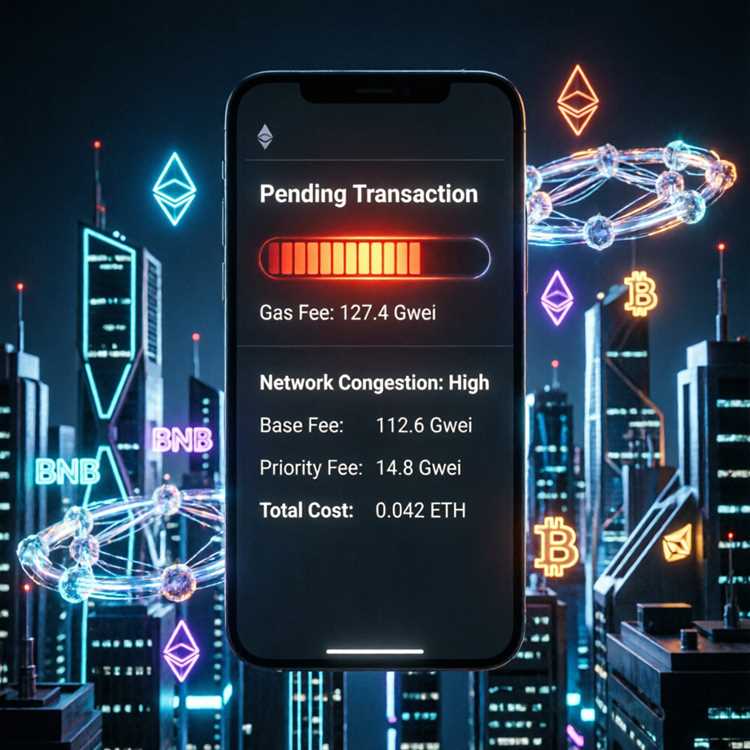
Understanding SafePal Wallet Fees – Transaction Costs and Charges 2025 is essential for anyone using this wallet. These fees vary based on network activity and the type of transaction. SafePal Wallet Fees – Transaction Costs and Charges 2025 include gas fees for sending tokens and swap fees for exchanging assets. Knowing these costs helps you manage your crypto budget. This guide breaks down each fee type and offers tips to save money.
Using a safepal wallet means you pay certain charges. These charges depend on the blockchain you choose. For example, sending ETH costs more than sending BNB. Learning the fee structure lets you plan your moves wisely.
What Factors Influence SafePal Wallet Fees?
Several elements determine the fees you pay with this wallet. Network congestion plays a big role. When many people use a blockchain, fees rise. Choosing the right time to send funds can lower costs.
Network Conditions and Congestion
Busy networks drive up transaction costs. Ethereum fees spike during peak hours. Solana fees stay low even with high traffic. Checking network status before sending helps.
Blockchain Selection
Each blockchain has its own fee system. Binance Smart Chain offers lower fees than Ethereum. Polygon provides even cheaper options. Selecting the right chain reduces your SafePal transaction fees.
Transaction Type
Sending tokens costs gas. Swapping tokens involves a swap fee. Staking rewards may have a small withdrawal charge. Each action has a different cost structure.
Understanding SafePal Transaction Fees
SafePal transaction fees cover moving crypto from one address to another. These fees go to network validators, not to SafePal. The wallet estimates the fee for you. You can adjust the speed by choosing a higher or lower fee.
Fees for Sending Crypto
When you send Bitcoin, the fee depends on network congestion. Sending Ethereum requires gas. Sending BNB costs less than 0.01 BNB usually. The wallet shows the fee before you confirm.
Fees for Receiving Crypto
Receiving funds is free. You do not pay any SafePal wallet cost to receive tokens. The sender covers the network fee. This rule applies to all blockchains.
Cross-Chain Transfer Costs
Moving assets between chains involves bridge fees. These fees include network gas plus a small bridge service fee. Using a direct chain saves money. Always check the bridge fee first.
SafePal Wallet Gas Fees Explained
Gas fees are payments to miners or validators for processing transactions. Every blockchain uses gas differently. SafePal wallet gas fees depend on the network you use. Higher gas fees mean faster confirmations.
Gas Fees on Ethereum
Ethereum gas fees are measured in gwei. One gwei equals 0.000000001 ETH. During busy times, gas can reach 100 gwei. Sending a simple transaction costs around 21000 gas units.
Gas Fees on Binance Smart Chain
BSC gas fees are much lower than Ethereum. A typical transaction costs 0.0005 BNB. This equals a few cents. BSC is popular for this reason.
Estimating Gas Costs
SafePal provides a gas estimate before you send. You can view the fee in USD or the native token. Adjusting the gas limit changes the cost. Using the recommended setting is safe.
SafePal Wallet Swap Fees in Detail
Swapping tokens inside the SafePal app incurs a swap fee. This fee covers the liquidity provider and network gas. SafePal wallet swap fees are competitive with other wallets. The exact fee depends on the pair and volume.
In-App Swap Fees
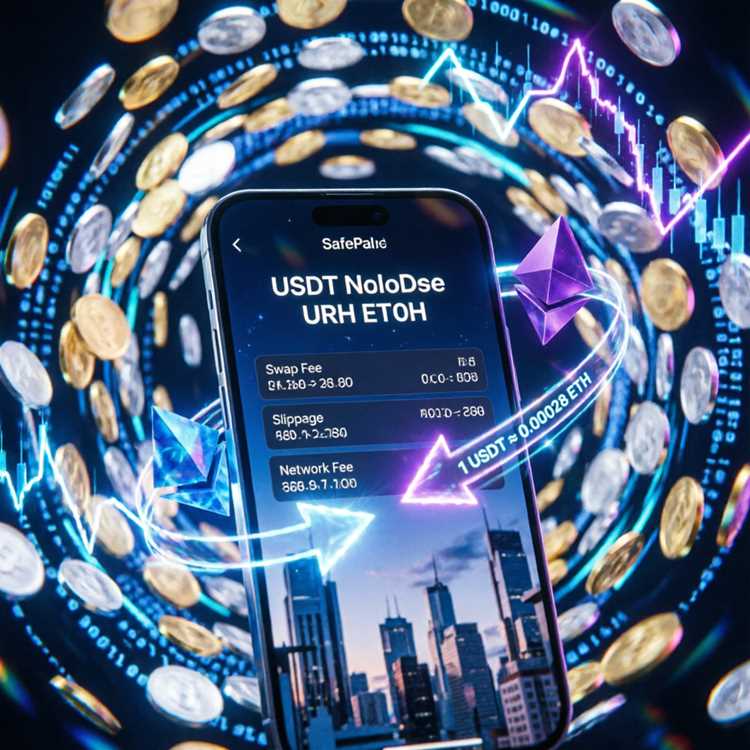
The in-app swap charges a small percentage of the trade amount. Typically, this fee is 0.3% to 1%. Larger trades may have a lower percentage. The fee appears before you confirm the swap.
Slippage and Price Impact
Slippage happens when the price changes between order and execution. SafePal allows you to set a slippage tolerance. A 1% slippage is standard. Price impact affects large trades more than small ones.
Alternative Swap Methods
Using a decentralized exchange like PancakeSwap may offer lower fees. Transferring tokens to an exchange like Binance can also save money. Comparing options helps you find the best SafePal wallet fee structure.
The SafePal Wallet Fee Structure
SafePal has a transparent fee structure. The wallet itself does not charge for sending or receiving. Network fees go to the blockchain. Swap fees go to liquidity providers. No hidden costs exist.
Fee Breakdown by Service
- Sending tokens: Network gas fee only
- Receiving tokens: Free
- Swapping tokens: 0.3% to 1% swap fee + gas
- Staking: Reward withdrawal fee (if any)
- Hardware wallet purchase: One-time cost
Transaction vs. Service Fees
Transaction fees are network costs. Service fees are for using SafePal features. The wallet does not add a transaction fee. Service fees only apply to swaps and staking.
Hidden Costs to Watch
Some third-party apps may charge extra. Always check the fee breakdown. Avoid using unknown dApps inside the wallet. Stick to verified sources.
Is SafePal Wallet Free to Use?
SafePal wallet free features include the software app and mobile interface. Downloading the app costs nothing. Creating a wallet is free. You only pay for network transactions and swaps.
No Charge for Wallet Setup

Setting up a new wallet is free. You can create multiple wallets without cost. The SafePal wallet mobile interface is free to download. No subscription is required.
Free Software Download
The SafePal wallet desktop app is also free. You can install it on Windows, Mac, or Linux. No upfront payment is needed.
Costs for Hardware Wallet
The hardware wallet has a one-time purchase price. The SafePal S1 costs around $50. This device gives you cold storage. No recurring fees apply.
SafePal Wallet Pricing 2025
SafePal wallet pricing in 2025 remains competitive. The software wallet is free. The hardware wallet is a one-time buy. Network fees are the main ongoing cost. Here is a breakdown.
| Item | Price | Compatibility | Use Case |
|---|---|---|---|
| SafePal S1 Hardware Wallet | $49.99 | iOS, Android, Desktop | Cold storage for long-term holding |
| SafePal Mobile App | Free | iOS, Android | Daily transactions and swaps |
| SafePal Desktop App | Free | Windows, Mac, Linux | Advanced trading and portfolio management |
| SafePal Browser Extension | Free | Chrome, Brave, Edge | DeFi interactions |
Hardware wallet reviews often mention the low price. A SafePal hardware wallet review highlights its value. The app is free for all users.
Comparing SafePal Wallet Fees to Competitors
SafePal wallet fees are similar to other non-custodial wallets. Ledger and Trezor charge no network fees. SafePal is competitive with MetaMask. The main difference is the swap fee.
SafePal vs. Ledger Fees
Ledger Live charges a swap fee of 1% to 2%. SafePal charges 0.3% to 1%. SafePal is cheaper for swaps. Both wallets have no monthly fees.
SafePal vs. Trezor Fees
Trezor Suite charges a 1.5% swap fee. SafePal is lower. Trezor has no transaction fees. SafePal also has no transaction fees. Both are good options.
SafePal vs. MetaMask Fees
MetaMask charges no swap fee when using its buy feature. Gas fees are the same. SafePal offers a simpler mobile experience. A SafePal wallet honest review shows the advantages.
Reducing SafePal Wallet Costs
You can lower SafePal wallet costs with a few strategies. Choosing the right network is key. Sending during off-peak hours helps. Using native tokens for gas reduces fees.
- Select a low-fee blockchain like BSC or Polygon instead of Ethereum.
- Send transactions during times of low network activity, such as weekends.
- Use the native token of the network for gas fees to avoid conversion costs.
- Batch multiple transactions into one when possible.
- Compare swap fees across different dApps before trading.
Using the SafePal wallet earn feature could offset some costs. Staking rewards can cover gas fees over time. Managing your SafePal wallet seed phrase wisely avoids recovery costs.
Frequently Asked Questions About SafePal Wallet Fees
Users often ask about SafePal wallet fees. Here are clear answers to common questions. The information is based on 2025 data.
Does SafePal charge a monthly fee?
No. SafePal does not charge any monthly or annual fee. The software is free. The hardware wallet is a one-time purchase. All ongoing costs are network fees.
Are swap fees refundable?
No. Swap fees are non-refundable. They cover the cost of liquidity and execution. Always check the fee before confirming a swap.
How to check current gas fees?
Open the SafePal app and go to the send screen. The fee estimate shows in the token amount. You can also use external sites like Etherscan. SafePal updates the fee in real time.
For a complete look at the wallet experience, read the SafePal wallet Android review. It covers the mobile fee display. The desktop version shows the same information.