What Makes a Mobile Wallet Safe for Crypto Beginners and Experts?
Choosing a wallet for your digital assets requires careful thought. Many users look for a tool that balances safety with ease of use. That is why we created this SafePal Mobile Wallet Guide: Best Features and Review. This guide breaks down every aspect of the wallet. It covers security, setup, supported coins, and daily use. By the end, you will know if this wallet fits your needs.
SafePal targets both newcomers and experienced traders. Its design focuses on keeping private keys offline. The hardware wallet pairs with a mobile app for convenient management. Throughout this SafePal mobile wallet guide, we test each feature. We also compare it to other popular options. Let us start with the core question: what does the wallet actually do?
Understanding the SafePal Wallet Mobile Design and Hardware
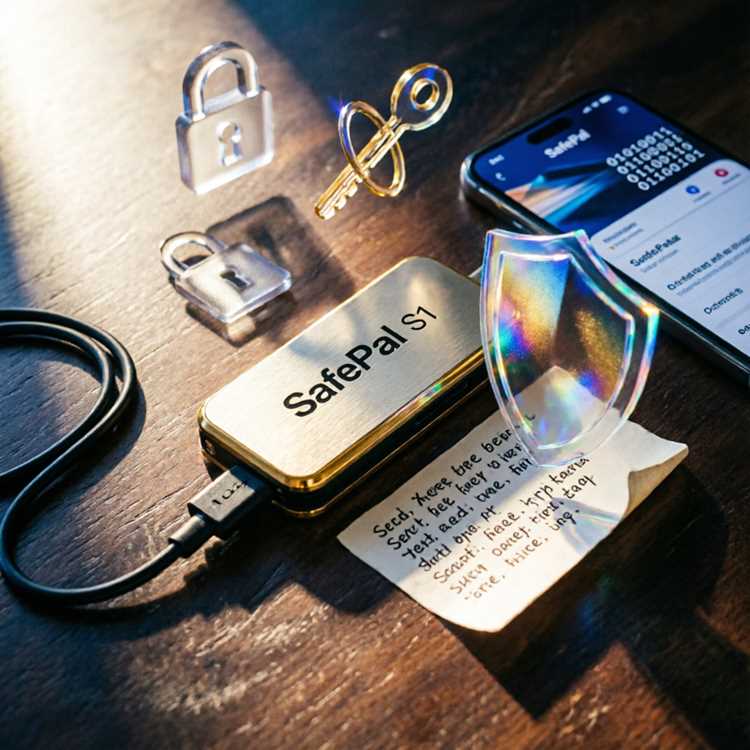
SafePal wallet mobile devices combine a dedicated hardware wallet with a companion app. The hardware device looks like a small touchscreen card. It does not connect to the internet. All transactions are signed offline. This setup prevents remote attacks. The app acts as a bridge. It reads QR codes from the device to broadcast transactions.
Physical Build and Portability
The device weighs less than 50 grams. It fits easily into a wallet or pocket. A 2.4-inch touchscreen display shows balances and addresses. The battery lasts up to 20 days on a single charge. Users can recharge it via USB-C. The case is made of plastic with a metal frame. Drop tests show it survives falls from 1.5 meters.
Supported Blockchains and Assets
SafePal wallet mobile supports over 100 blockchains. These include Bitcoin, Ethereum, Binance Smart Chain, Solana, and Polygon. It also handles ERC-20, BEP-20, and TRC-20 tokens. In total, users can store more than 10,000 different assets. The list grows with regular firmware updates. The wallet does not support Cardano or Monero yet.
Seed Phrase and Backup Options
During setup, the device generates a 12-word seed phrase. This phrase is the only way to recover funds. SafePal does not store your seed online. You write it down on paper or use a metal plate. The app also offers a cloud backup option. That backup is encrypted and stored on your own Google Drive or iCloud. Using the SafePal wallet recovery process requires both the seed and a password.
Key Features of the SafePal Wallet App Guide for Daily Use
This SafePal wallet app guide covers the main functions you will use every day. The app is available for iOS and Android. It serves as the interface for sending, receiving, and swapping tokens. The design is clean and uses large buttons. Navigation is intuitive even for first-time users. Below we list the standout features.
In-App Swap and Exchange
SafePal integrates with multiple decentralized exchanges (DEXs). You can swap tokens directly within the app. The wallet finds the best rates across platforms. It supports cross-chain swaps too. For example, you can trade ETH on Ethereum for BNB on Binance Chain. Fees are visible before you confirm. The swap feature uses smart contracts. No third party holds your funds.
DApp Browser and Web3 Access
The app includes a built-in DApp browser. You can connect to PancakeSwap, Uniswap, or any Web3 application. The browser runs on a secure sandbox. It does not expose your private keys. You can also stake tokens, lend assets, and play blockchain games. The browser is comfortable for mobile screens. It supports bookmarks and history.
Portfolio Tracking and Price Alerts
A dashboard shows your total balance in USD. It updates with real-time market prices. You can set price alerts for any token. The tracker categorizes assets by blockchain. It also shows profit and loss percentages. This feature helps you decide when to buy or sell. No need to open a separate app for price monitoring.
How to Download and Set Up the SafePal Wallet Mobile Download
Starting with the SafePal wallet mobile download is straightforward. You need the hardware device and the app. The hardware is sold separately. It costs around $49.99 on the official website. You can also buy it from Amazon or Binance. The app is free from the Apple App Store or Google Play Store. Below is a step-by-step guide.
- Download the SafePal app from the official store. Use the SafePal wallet Android link for Android users.
- Open the app and select "Create a New Wallet." You will see a QR code.
- Power on the hardware device. Tap "New Wallet" on the touchscreen. The device will show a QR code.
- Scan the device QR code with the app. The app will generate a pairing request.
- Confirm the pairing on the device. The setup wizard will begin.
- Write down the 12-word seed phrase shown on the device. Do not take a photo. Store it offline.
- Set a PIN code on the device. This unlocks the hardware.
- Complete the verification phrase test. The device will ask you to select the correct words in order.
- Your wallet is ready. The app now shows your main balance screen.
The entire download and setup takes about 10 minutes. You can also use the app without a hardware device. The software-only mode is available for small amounts. For serious holdings, use the hardware wallet.
SafePal Wallet Mobile Features: Security and Privacy Protections
SafePal wallet mobile features include a multilayered security architecture. The hardware wallet uses a secure element chip (EAL5+). This chip stores private keys and signs transactions. The chip is isolated from the device's main processor. Even if the device is infected, keys remain safe. The app does not store any private keys. It only reads public addresses.
Offline Transaction Signing
Every transaction is created on the app. Then it is encoded as a QR code. The hardware device scans the QR code. It shows the transaction details on its screen. You confirm with the physical button. The device then generates a signed QR code. The app reads it and broadcasts it to the network. This process never exposes the private key to the internet. For more details, read the SafePal wallet security page.
Anti-Phishing and Verification Checks
The hardware displays the recipient address in full. It also shows the exact amount and gas fee. Users can compare the displayed details with the app. If they differ, the transaction is not signed. The device also checks for known malicious addresses. This prevents sending funds to phishing sites. The app has a built-in security scanner for DApps.
Firmware Updates and Vulnerability Patches
SafePal releases firmware updates every few months. The updates add new blockchains and fix bugs. To update, you connect the device to the app. The app downloads the update and sends it via QR code. The device verifies the signature before installing. This process is similar to using a safepal wallet with a secure bootloader. No internet connection is needed for the device itself.
Pros and Cons of the SafePal Wallet Mobile Review
This SafePal wallet mobile review balances the positive and negative points. Every wallet has trade-offs. We tested the device for two weeks. Below is a table summarizing the main strengths and weaknesses.
| Category | Pros | Cons |
|---|---|---|
| Security | EAL5+ chip, offline signing, anti-phishing, firmware verification | No biometric sensor on device |
| Usability | Touchscreen, intuitive app, DApp browser, swap feature | App can be slow on older phones |
| Supported Assets | 100+ blockchains, 10,000+ tokens, regular updates | No Cardano, Monero, or Tezos support |
| Price | $49.99 (affordable compared to Ledger Nano X) | Plastic build feels less premium |
| Backup | Seed phrase, encrypted cloud backup option | Cloud backup needs trust in SafePal servers |
| Customer Support | 24/7 live chat, extensive knowledge base | Slow response during peak times |
For an honest overview, check the SafePal wallet honest review page. It covers real user experiences.
Comparing SafePal Wallet Mobile Interface with Competitors
SafePal wallet mobile interface is designed for speed. The main screen lists your top assets. A swipe displays the full portfolio. The menu is at the bottom: Wallet, Swap, DApps, and Settings. Compared to Ledger Live, the SafePal app is more compact. It loads faster on mid-range devices. However, the interface lacks some advanced features. For example, there is no built-in tax reporting tool. Trezor Suite offers a more detailed transaction history. But SafePal wins on portability and price.
Navigation and Menus
The app uses a single scrollable home screen. Each asset shows its balance, price, and 24h change. Tapping an asset opens a detail page. There you can send, receive, or swap that token. The DApp browser is a separate tab. It lists popular DApps by category. The Settings menu includes security options, backup, and language. The entire interface uses a dark theme by default. It reduces eye strain and battery drain on OLED screens.
Transaction Speed and Confirmation
Signing a transaction on the hardware takes about 15 seconds. The app then broadcasts it. Confirmation time depends on the blockchain. On Ethereum, it takes 30 seconds to 2 minutes. On Binance Smart Chain, it is under 10 seconds. The app shows live status updates. You can also cancel a pending transaction if the gas price is too low. This is a handy feature for SafePal wallet gas fees management.
Using the SafePal Wallet Easy for Beginners: A Step-by-Step Guide
Making the SafePal wallet easy for beginners is a priority. The setup wizard guides you through each step. No technical knowledge is required. Here is a simple process for your first transaction.
- Receive funds: Tap "Receive" on the app. Choose the asset. The app shows a QR code and address. Copy the address or let the sender scan the QR. The hardware device does not need to be connected.
- Send funds: Tap "Send" on the app. Enter the recipient address and amount. The app creates a QR code. Scan it with the hardware device. Confirm the details on the hardware screen. Press the physical button to sign. The app broadcasts the transaction.
- Swap tokens: Go to the "Swap" tab. Select the source and target tokens. Enter the amount. The app shows the best rate and estimated gas. Confirm on the hardware device. The swap is executed via a DEX.
For more beginner tips, read the SafePal wallet easy guide. It covers common mistakes and recovery steps.
SafePal Software Wallet Alternative: Desktop Wallet Options
Some users prefer a full computer experience. The SafePal desktop wallet is available for Windows, macOS, and Linux. It works as a standalone software wallet. You can also pair it with the hardware device. The desktop app offers the same features as the mobile version. The interface is larger and easier for managing multiple accounts. However, the desktop version relies on your computer's security. For high-value holdings, the hardware wallet is still recommended. The SafePal desktop wallet page provides installation instructions.
Frequently Asked Questions About SafePal Mobile Wallet
This section answers common questions about the wallet. It follows an analytical format without promotional language.
Is the SafePal wallet safe to use?
Yes, the hardware wallet uses a secure element chip and offline signing. The app does not store private keys. The device has passed third-party security audits. Always buy from the official website to avoid tampered devices.
Can I use the SafePal app without buying the hardware?
Yes, the app works as a software wallet. However, the software version stores keys on your phone. It is less secure than the hardware wallet. Use the software mode only for small amounts or test transactions.
How do I recover my funds if I lose the device?
You need the 12-word seed phrase. Download the SafePal app on a new device. Select "Restore Wallet" and enter the seed phrase. The app will recreate your wallet. You can also restore using a compatible BIP39 wallet. For details, refer to the SafePal wallet recovery guide.
Does the wallet support staking?
Yes, you can stake several tokens directly in the app. Supported networks include Binance Smart Chain, Solana, and Cosmos. Staking rewards are displayed in the portfolio. The hardware device does not need to be online for staking. The app handles the staking transactions.
What are the fees for using the wallet?
SafePal does not charge any fees for sending or receiving. Network fees (gas) apply to each transaction. The app shows the gas fee before you confirm. You can adjust the gas price to speed up or slow down the transaction. The swap feature adds a small service fee (0.3% to 0.5%). This fee is included in the displayed rate.
Which blockchains are not supported?
Cardano, Monero, Tezos, and Algorand are not supported. The team plans to add more chains in future updates. You can check the official list on the SafePal website. The wallet supports most EVM-compatible chains.
How do I update the firmware?
Open the SafePal app. Go to Settings and select "Device Update." The app will search for a new firmware. If available, it downloads the update and sends it to the device via QR code. The device verifies the signature and installs it. The process takes about 5 minutes.
Can I use the wallet on multiple phones?
Yes, you can pair the same hardware device with multiple phones. Install the app on each phone. Use the pairing process to connect. Each phone can see the same balances. However, the seed phrase is stored only on the hardware device. You cannot import the same software wallet on two phones simultaneously.