Understanding SafePal Wallet Security Features
SafePal Wallet Security Is It Safe for Your Crypto? This question matters for anyone holding digital assets. Many users worry about losing funds. SafePal offers both hardware and software solutions. Each layer adds protection for your coins. Let us break down what makes this wallet stand out.
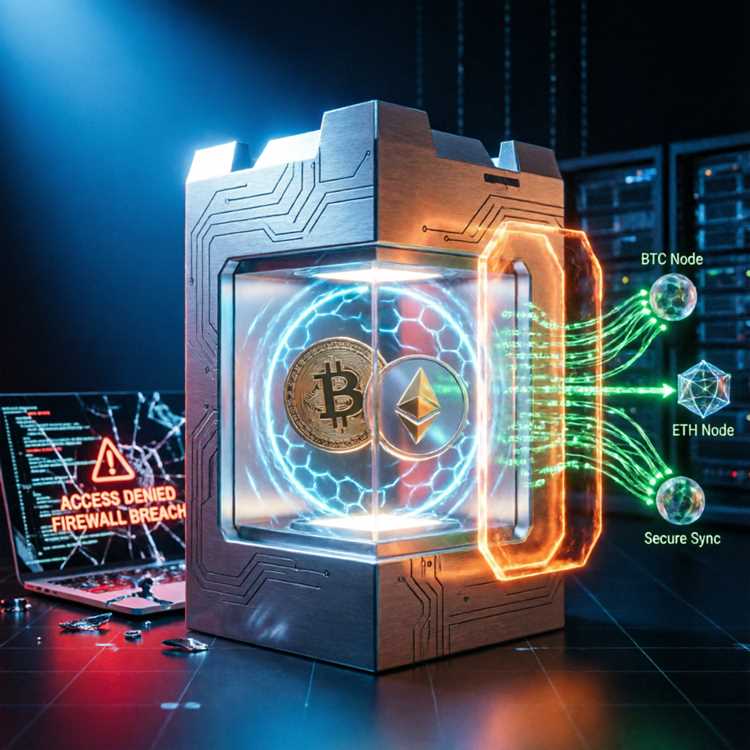
Choosing a wallet requires knowing the risks. SafePal wallet security starts with offline storage. Private keys never touch the internet. This design stops remote attacks. Hardware wallets keep your keys isolated. Software versions add extra shields for daily use.
How SafePal Wallet Security Works
SafePal wallet security uses a mix of physical and digital barriers. The hardware device generates keys offline. No internet connection means no remote access. Your seed phrase stays on the device. Transactions are signed directly on the hardware. Malware on your computer cannot interfere.
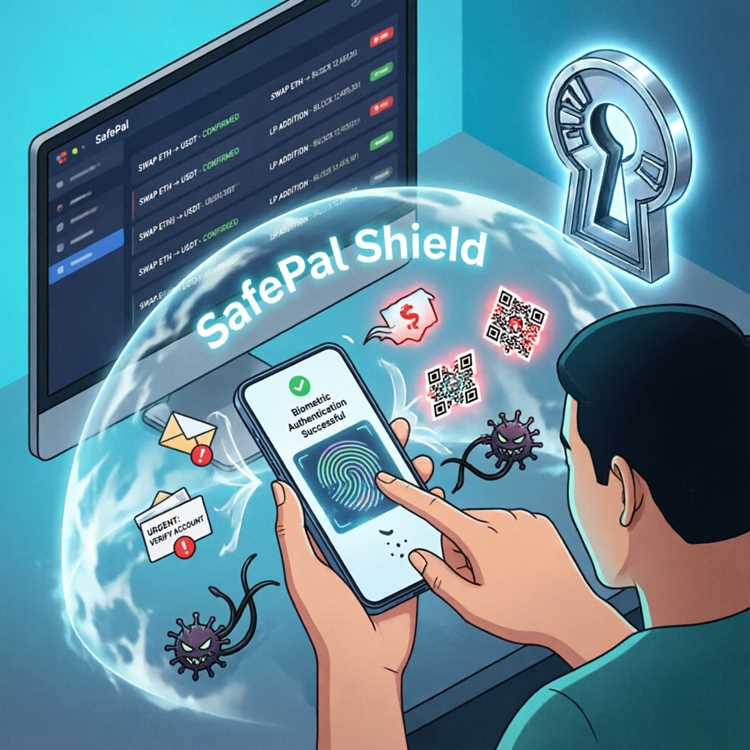
SafePal wallet safe practices include PIN codes and biometric locks. Each transaction requires your approval. Users must press a physical button. This prevents automatic transfers. Even if someone steals your phone, coins remain protected.
Key Security Protocols
SafePal wallet secure design follows industry standards. It uses AES encryption for data storage. Communication between device and app is encrypted too. Firmware updates add new protections. Regular patches fix potential weaknesses.
SafePal wallet hardware security relies on certified chips. These chips resist tampering. Removing the casing destroys the chip automatically. Your private keys vanish if someone tries to open it.
Is SafePal Wallet Safe for Everyday Transactions?
Daily use requires balance between safety and convenience. SafePal wallet security ensures both. The mobile app connects to dApps directly. You can swap tokens without exposing keys. Transactions still require your manual approval.
SafePal wallet safe behavior depends on user habits. Avoid clicking unknown links. Always verify addresses before signing. Use the hardware wallet for large amounts. Keep small balances in the software wallet for quick access.
User Experience and Safety
SafePal wallet secure interface is simple to navigate. New users find the setup process easy. The app guides you through backup steps. Recovery phrases are shown only once. Write them down and store them offline.
SafePal wallet phishing protection activates during transactions. The app warns about suspicious contracts. Domain verification checks dApp authenticity. These alerts help prevent approval of malicious interactions.
Backup and Recovery Options
SafePal wallet security relies on proper backups. Your 12 or 24 word seed phrase is the master key. Without it, funds are lost forever. Store the phrase in a fireproof safe. Never type it into any website or app.
SafePal wallet encryption protects your backup file. The app can create an encrypted JSON file. This file requires a password to restore. Keep this file offline on a USB drive.
Examining SafePal Wallet Hack Incidents
Every crypto user fears hacks. SafePal wallet hack events are extremely rare. In fact, no successful hack against the hardware wallet has been reported. The software wallet has faced phishing attempts but no direct breaches.
SafePal wallet security has been tested by independent auditors. CertiK and SlowMist reviewed the code. They found no critical vulnerabilities. Regular bug bounty programs invite ethical hackers to find flaws.
Past Incidents and Responses
SafePal wallet hack attempts usually target user behavior. Phishing sites mimic the official app. Users who enter their seed phrase lose funds. SafePal wallet safe warnings appear in the app. The team issues alerts on social media about fake sites.
SafePal wallet secure response team acts quickly. They shut down fake domains within hours. Affected users receive guidance on recovery. The company compensates losses caused by confirmed platform errors.
User Responsibility in Security
SafePal wallet hardware security works only if you follow rules. Never share your seed phrase with anyone. No official support will ask for it. Use a separate device for crypto transactions. Avoid public WiFi when signing transactions.
SafePal wallet encryption alone cannot stop social engineering. Criminals may call or email pretending to be support. Always verify contacts through official channels. The SafePal wallet email support team will never request your private keys.
What Makes SafePal Wallet Secure Compared to Others?
SafePal wallet security stands out for several reasons. It is the first hardware wallet backed by Binance. The device costs a fraction of competitors like Ledger. Yet it offers similar protection for your coins.
SafePal wallet safe design includes air-gapped signing. No cables or Bluetooth connect the device. QR codes transfer transaction data. This eliminates physical attack vectors like USB malware.
SafePal vs Ledger: A Quick Comparison
| Feature | SafePal S1 | Ledger Nano X |
|---|---|---|
| Price | $49.99 | $149 |
| Connectivity | Air-gapped (QR) | Bluetooth + USB |
| Display | Touchscreen | Buttons + OLED |
| Supported coins | 30,000+ | 5,500+ |
| Backup method | Seed phrase | Seed phrase |
SafePal wallet secure air-gap method is unique. Your device never connects physically to a computer. This reduces exposure to keyloggers or screen capture malware. Safepal vs Ledger comparisons often highlight this advantage.
Third-Party Audits and Certifications
SafePal wallet security audits are publicly available. CertiK gave the hardware wallet a high security score. The software wallet also passed penetration testing. SlowMist found no high-risk issues in the firmware.
SafePal wallet encryption standards meet industry benchmarks. The EAL5+ certified secure element protects keys. This is the same level used in credit cards and passports. Physical attacks become nearly impossible.
SafePal Wallet Encryption Methods Explained
SafePal wallet security depends on strong encryption. Data in transit uses TLS 1.3 protocol. Data at rest uses AES-256 CBC mode. These are military-grade standards.
SafePal wallet safe encryption starts with key generation. The device creates entropy using a hardware random number generator. This ensures true randomness for your seed phrase. Predictable keys are impossible.
How Encryption Protects Funds
SafePal wallet secure data flow works like this. The app sends an unsigned transaction to the device. The hardware signs it with your private key. The signed transaction returns via QR code. Your private key never leaves the device.
SafePal wallet phishing protection also relies on encryption. All communications are signed with a session key. Impersonating the app or device is nearly impossible. Man-in-the-middle attacks fail because of certificate pinning.
Backup Encryption Options
SafePal wallet security includes encrypted cloud backups. Users can store an encrypted version of their wallet. This requires two passwords to restore. One password unlocks the file. Another password decrypts the keys.
SafePal wallet encryption also applies to the seed phrase. Some users use the optional passphrase feature. This adds a 25th word to the standard seed. Without it, the wallet cannot be recovered even with the seed.
Managing Your SafePal Wallet Private Keys
SafePal wallet security centers on private key control. You own your keys completely. SafePal has no access to them. This is true self-custody.
SafePal wallet private key generation happens on the device. The chip creates keys using a random seed. Keys are stored in the secure element. Reading them out is physically impossible.
Self-Custody and User Control
SafePal wallet safe model means no third party holds your funds. Your keys are generated and stored locally. Even SafePal cannot freeze your assets. This aligns with the core principles of crypto.
SafePal wallet secure approach requires personal responsibility. Lose your seed phrase and you lose access. There is no password reset option. Write down your phrase correctly. Test recovery before sending large amounts.
Multi-Signature and Advanced Features
SafePal wallet security supports multi-sig for some coins. This requires multiple devices to approve a transaction. It adds another layer against theft. Setting up multi-sig takes a few steps in the app.
SafePal wallet private key management also includes key sharding. Some users split their seed phrase into parts. Each part is stored in a different location. Recovery requires all parts together.
Protecting Against Phishing and Scams
SafePal wallet security includes built-in phishing detection. The app scans dApps for known malicious patterns. It warns you before connecting to suspicious sites. This prevents approval of dangerous contracts.
SafePal wallet phishing protection extends to the hardware device. The screen shows the exact transaction details. You can verify the address and amount before signing. Blind signing is never required.
Common Phishing Tactics

SafePal wallet safe usage requires awareness of common tricks. Fake airdrops ask you to connect your wallet. Once connected, they drain your tokens. Never connect to unverified airdrop sites.
SafePal wallet secure behavior means ignoring unsolicited messages. Scammers impersonate SafePal on Telegram and Discord. They offer fake support or giveaways. Official channels are listed on the website.
SafePal's Countermeasures
SafePal wallet hardware security includes a trusted display. The screen always shows the real transaction data. Even if your phone screen is hacked, the hardware shows the truth. Compare both screens before confirming.
SafePal wallet encryption also protects against clipboard hijackers. The app scrambles addresses when copying. Users must manually verify the address. This stops malware that replaces copied addresses with scam addresses.
SafePal Wallet Hardware Security: Physical Design
SafePal wallet security starts with the physical device. The S1 model uses a metal frame. It is lightweight and portable. The touchscreen is responsive. No buttons means fewer mechanical failure points.
SafePal wallet hardware security features include self-destruct mechanisms. If someone tries to open the casing, the chip erases keys. This protects against physical extraction attacks. The device is also water and dust resistant.
Comparing Hardware Security with Software Wallets
SafePal wallet secure hardware is always safer than software only. Software wallets on a connected phone are vulnerable. Malware can steal keys if the device is compromised. Hardware wallets isolate keys completely.
SafePal wallet security for day-to-day use can combine both. Use the software wallet for small amounts. Connect the hardware wallet for large transactions. The SafePal wallet desktop review shows how the browser extension works with the hardware.
Firmware Updates and Longevity
SafePal wallet hardware security improves over time. Firmware updates add new coin support and fix bugs. Updates are signed by SafePal's private key. The device verifies the signature before installing. This prevents malicious updates.
SafePal wallet secure updates require user consent. The device shows the update version on screen. You must approve it physically. Updates do not erase your keys. Your funds remain safe during the process.
Frequently Asked Questions About SafePal Wallet Security
Is SafePal wallet security good enough for large amounts?
Yes, the hardware wallet uses the same security chips as top competitors. It is suitable for storing significant crypto holdings.
Has SafePal wallet hack ever happened?
No direct hack of the hardware wallet has been reported. Phishing attacks on users have occurred, but the device itself remains uncompromised.
How does SafePal wallet encryption work?
It uses AES-256 encryption for stored data and TLS 1.3 for data in transit. Private keys are generated and held in a secure element chip.
Can SafePal wallet private keys be recovered?
Keys cannot be recovered if lost. You must restore from the seed phrase. Keep it in a safe offline location.
Does SafePal wallet phishing protection cover all scams?
It blocks many known phishing sites and suspicious dApps. However, user vigilance remains essential. Never share your seed phrase.
Is SafePal wallet safe to use with DeFi?
Yes, the app integrates with many DeFi platforms. The hardware wallet signs all transactions. You can review details on the device screen before approving.
What is the difference between SafePal wallet hardware security and software?
Hardware wallets store keys offline. Software wallets store keys on your phone. Hardware is more secure against remote attacks.
How often are security audits performed?
Audits happen before major firmware releases. The company also runs a continuous bug bounty program.
Can I use SafePal wallet staking coins safely?
Yes, staking is done through the app. Your keys remain on your device. The SafePal wallet staking coins guide explains the process.
What should I do if I suspect a phishing attempt?
Contact SafePal wallet email support immediately. Do not click any links in suspicious messages.
SafePal wallet security combines hardware isolation, strong encryption, and user education. No system is 100% foolproof, but SafePal offers robust protection. SafePal wallet pros and cons reviews often highlight the value for money. For most users, it is a safe choice for storing crypto. Compare Ledger vs SafePal to decide which fits your needs better. Use the SafePal wallet swap feature carefully. Always verify transaction details. Check the SafePal wallet pricing page for the latest costs.