
Choosing between SafePal and Ledger is a common question for crypto users. Both brands offer hardware wallets to keep digital assets safe. This guide compares their features, security, and usability. By the end, you will know which wallet fits your needs.
SafePal and Ledger are two leading names in cold storage. SafePal is known for its affordable hardware and mobile app integration. Ledger is recognized for its long history and extensive coin support. Deciding between them depends on your priorities like budget, coin variety, and ease of use.
Why compare SafePal wallet hardware vs Ledger for daily use?
Everyday users need a wallet that is simple and reliable. Comparing SafePal wallet hardware vs Ledger helps identify which works better for regular transactions. Both support major coins but differ in setup and portability. Your choice affects how quickly you can send and receive funds.
Setting up SafePal hardware wallet
SafePal wallet physical device comes with a clear setup process. Unbox it and charge the device. Download the SafePal app on your phone. Pair the hardware via Bluetooth or QR code. Create a new wallet and write down your recovery phrase. This takes about 10 minutes.
Setting up Ledger hardware wallet
Ledger devices like the Nano S or Nano X need a similar setup. Install Ledger Live on your computer or phone. Connect the device via USB or Bluetooth. Follow the on-screen steps to create a seed phrase. Ledger requires a secure desktop environment. The process feels more technical.
Portability and daily handling
SafePal hardware is compact and fits in a pocket. Its touchscreen makes navigation smooth. Ledger devices are smaller but rely on physical buttons. Typing pin codes on Ledger can feel slower. For daily use, SafePal offers better ergonomics.
Security features of SafePal wallet vs Ledger
Security is the core reason to use a hardware wallet. Both SafePal and Ledger use secure elements to protect private keys. However, their approaches to backup and recovery differ. Understanding these differences can prevent loss of funds.
Chip and encryption technology

Ledger uses a certified Secure Element (SE) chip. This chip is similar to those in passports and credit cards. SafePal uses an EAL 5+ certified chip as well. Both chips resist physical tampering. Some experts argue Ledger has a longer track record.
Recovery phrase handling
SafePal allows recovery phrase backup through QR codes or manual writing. Ledger only supports manual writing on paper. SafePal offers a bonus feature: encrypted cloud backup. This optional service stores your phrase securely. Ledger does not provide cloud backup.
Known vulnerabilities and updates
Ledger suffered a data breach in 2020 affecting customer emails. SafePal has not reported major breaches. Both companies release firmware updates to fix bugs. SafePal wallet phishing protection includes a built-in phishing detection tool. This alerts users to fake websites.
Supported cryptocurrencies and tokens comparison
Coin variety matters when holding multiple assets. Ledger supports over 5,000 cryptocurrencies and tokens. SafePal supports about 1,000 coins. This difference can decide your choice if you hold obscure tokens. However, most users need only Bitcoin, Ethereum, and stablecoins.
SafePal wallet Ethereum support includes ERC-20 tokens. Ledger supports Ethereum and all ERC-20 tokens as well. For Bitcoin and Bitcoin forks, both work reliably. Ledger excels with coins like Cardano and Solana. SafePal adds support for Binance Smart Chain and Polygon.
Pricing and value for money
Price often determines which wallet wins. SafePal hardware wallets are cheaper than most Ledger models. However, cost should not be the only factor. Build quality, warranty, and included accessories matter too.
| Model | Price | Screen | Connectivity | Coins supported |
|---|---|---|---|---|
| SafePal S1 | $49.99 | Touchscreen | QR code | 1,000+ |
| Ledger Nano S | $59.99 | OLED (buttons) | USB | 5,500+ |
| Ledger Nano X | $149.99 | OLED (buttons) | USB + Bluetooth | 5,500+ |
| Ledger Stax | $279.99 | E Ink touchscreen | Bluetooth | 5,500+ |
SafePal offers a lower entry price. Ledger models cost more but include broader coin support. For beginners on a budget, SafePal is a strong contender.
Software and mobile experience
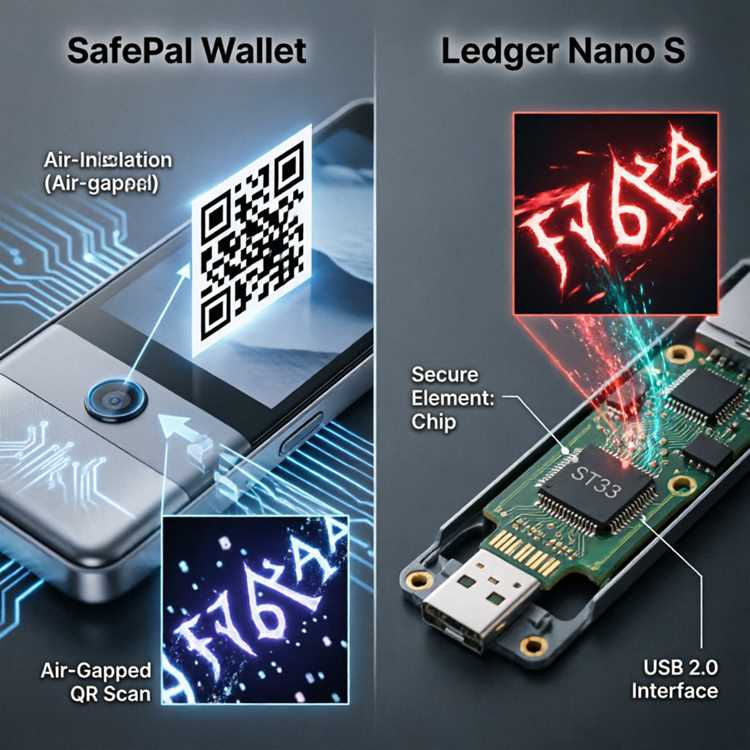
Hardware needs companion software to manage transactions. SafePal relies entirely on its mobile app. Ledger uses Ledger Live available on desktop and mobile. Both apps allow sending, receiving, and swapping tokens. But their interfaces differ significantly.
- SafePal mobile app: Clean design, quick QR code pairing, built-in DApp browser.
- Ledger Live: More features like portfolio tracking, staking, and exchange integration.
- Third-party wallet links: SafePal wallet Chrome extension provides a browser-based interface. Ledger works with MetaMask, which many DeFi users prefer.
SafePal wallet mobile review highlights the app's simplicity. Users can swap coins without leaving the app. Ledger Live offers more analytical tools but feels heavier. Your preference depends on whether you want a lightweight or full-featured app.
Using Defi and Web3 with each wallet
Decentralized finance (DeFi) requires wallet connectivity. SafePal wallet DeFi apps are accessible through its built-in browser. You can connect to PancakeSwap or Uniswap directly. Ledger users must connect via MetaMask or another interface. This extra step can be confusing for beginners.
SafePal wallet Chrome extension allows direct connection to DeFi sites. This removes the need for a separate browser extension. Ledger's approach is more secure but less convenient. For active DeFi users, SafePal offers smoother access.
Customer support and community feedback
Support quality matters when problems arise. SafePal wallet troubleshooting is handled via email and social media. The company responds quickly to basic issues. Ledger offers a detailed knowledge base and live chat. Both have active Reddit communities and video tutorials.
SafePal wallet review from users often mentions fast response times. Ledger support is slower but more comprehensive. For hardware failures, Ledger provides replacement within warranty. SafePal also offers warranty service. Check your region's shipping before buying.
Step by step guide to buying your first hardware wallet
Buying directly from the manufacturer avoids counterfeit devices. Follow these steps to purchase safely.
- Visit the official website: SafePal.io or Ledger.com.
- Select your model based on coin needs and budget.
- Add accessories if needed (USB cable, case, recovery sheet).
- Complete checkout using card or crypto payment.
- Wait for delivery and verify the packaging seal.
- Set up the device without using any pre-written seed phrases.
- Transfer a small amount first to test the wallet.
Choose SafePal if you want a low cost and mobile first experience. Choose Ledger if you need maximum coin variety and desktop tools.
Frequently asked questions about SafePal wallet comparison and Ledger
Which is more secure SafePal wallet vs Ledger?
Both use certified secure chips. Ledger has a longer security track record. SafePal has strong encryption and phishing protection. For most users, either is safe enough.
Can I use SafePal wallet hardware vs Ledger for DeFi?
Yes. SafePal offers a built in DApp browser. Ledger needs MetaMask or similar. SafePal is simpler for DeFi beginners.
Does SafePal wallet support Ethereum and all ERC 20 tokens?
Yes. SafePal wallet Ethereum support includes all ERC 20 tokens. Ledger supports them too. Both wallets work with the Ethereum network.
Which wallet has more coin support?
Ledger supports over 5,500 coins. SafePal supports around 1,000. If you hold rare altcoins, choose Ledger.
Can I use SafePal wallet without a phone?
No. SafePal requires the mobile app for transactions. Ledger works with desktop software without a phone. Consider Ledger if you prefer a computer only setup.
Final thoughts on choosing your hardware wallet
Both SafePal and Ledger serve the same purpose: securing your crypto. SafePal shines with its low price, touchscreen, and mobile first design. Ledger excels in coin variety, track record, and desktop features. Your decision should match your technical comfort and portfolio size.
For a balanced view, read the SafePal wallet Chrome extension review. Check the SafePal wallet mobile review for app details. If you need help, the SafePal wallet troubleshooting page can guide you. Explore SafePal wallet DeFi apps for Web3 access. Learn about the SafePal wallet physical device for hardware specs. Understand SafePal wallet phishing protection for safety tips. Verify SafePal wallet Ethereum support. Finally, compare prices on the official safepal store.
No single wallet is perfect for everyone. Evaluate your own needs. A smallholder on a budget will favor SafePal. A trader with many coins will prefer Ledger. Either way, moving to hardware storage is a smart step for your crypto journey.