Considering a SafePal Desktop Wallet – How to Use on PC solution for managing your digital assets? This guide walks you through the entire process. Using a desktop wallet gives you more control and a larger screen for managing transactions. Many users prefer the desktop setup for its enhanced visibility and direct access to advanced features.
SafePal offers a desktop application that works alongside its hardware wallet. You can manage coins, check balances, and perform swaps from your computer. This guide covers installation, setup, and daily use. We also compare it with other options and answer common questions.
Why Choose a Desktop Wallet Over a Mobile App?
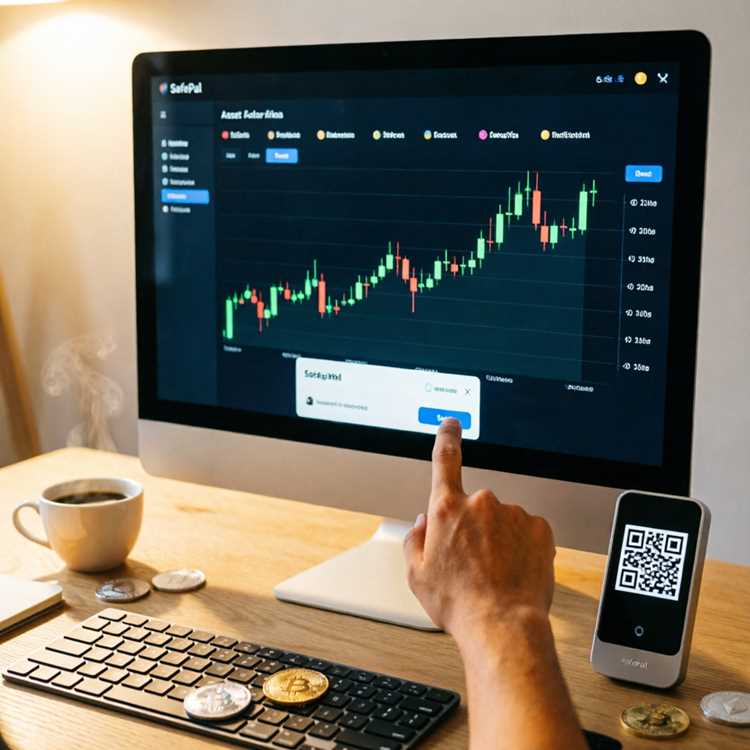
Desktop wallets provide a different experience than mobile apps. They often include more detailed charts and transaction histories. Using a SafePal wallet PC version gives you a full screen view of your portfolio. Many traders prefer this for monitoring multiple assets at once.
Better Visibility for Complex Tasks
Managing multiple tokens requires seeing many details at once. A SafePal wallet desktop interface displays balances, prices, and transaction logs clearly. You can open several windows to compare different charts. This setup works well for active trading sessions.
Enhanced Security Through Hardware Pairing
SafePal desktop wallet pairs with the hardware device for private key storage. Keeping your keys offline adds a layer of protection. Your SafePal wallet private key never leaves the hardware. This method reduces the risk of online theft.
Faster Access to Advanced Features
Desktop applications often load faster than mobile apps. They handle large data sets like transaction histories more efficiently. Swapping tokens or checking staking rewards becomes smoother on a desktop client. This makes the safepal desktop app a strong option for power users.
Downloading and Installing the SafePal Wallet on Windows
Installing the SafePal wallet Windows version is a straightforward process. You need to download the correct installer from the official website. Avoid third-party sources to prevent malware risks. Follow these steps for a clean installation.
Step 1: Visit the Official SafePal Website
Open your browser and go to the official SafePal download page. Look for the desktop wallet section. Choose the Windows installer file. The download usually takes less than a minute.
Step 2: Run the Installer
After downloading, double click the .exe file. Follow the on screen prompts. Accept the license agreement. Choose your installation folder. The process completes in about two minutes.
Step 3: Launch the Application
Find the SafePal icon on your desktop or start menu. Click to open the app. The first launch may ask for firewall permissions. Grant access to allow the app to connect to the network. You are now ready to set up your wallet.
Setting Up SafePal Wallet on Mac for the First Time
Using a SafePal wallet Mac version requires similar steps to Windows. The interface looks identical across platforms. Mac users should check for Apple Silicon compatibility. The app runs natively on M1 and M2 chips.
Downloading the Mac Version
Visit the official SafePal website. Select the Mac download option. You will receive a .dmg file. Double click it to mount the disk image. Drag the SafePal app into your Applications folder.
Handling Gatekeeper Warnings
MacOS may block the app during first launch. Go to System Preferences and open Security & Privacy. Click "Open Anyway" next to the SafePal warning. This allows the app to run. The process is safe when you download from the official site.
Connecting Your Hardware Wallet
Plug your SafePal hardware device into a USB port. The desktop app will detect it automatically. Follow the on screen pairing instructions. Confirm the connection on the hardware screen. Your wallet is now ready for use.
Key Features of the SafePal Desktop Wallet
The SafePal wallet desktop features include multi chain support and built in swapping. You can also manage NFTs and staking. The interface is clean and easy to navigate. Below is a list of the most useful features.
- Multi chain support for Bitcoin, Ethereum, BSC, and many others.
- Built in token swap without leaving the app.
- Hardware wallet integration for cold storage.
- Real time price tracking and portfolio overview.
- dApp browser for interacting with decentralized applications.
These features make the desktop wallet a versatile tool. You can handle most crypto tasks from one place. The SafePal wallet extension offers similar functions for browsers, but the desktop version feels more stable for heavy use.
How to Connect Your Hardware Wallet to the Desktop App
Connecting your hardware device to the desktop app is simple. Follow this numbered list to pair them correctly. Make sure your hardware wallet is charged and updated. The process takes less than five minutes.
- Open the SafePal desktop app on your PC.
- Plug your hardware wallet into a USB port using the provided cable.
- Press the hardware button to confirm the connection.
- Enter your PIN code on the hardware device.
- Select "Desktop Mode" on the hardware screen.
- Wait for the desktop app to show "Connected" status.
Once connected, you can view your balances and sign transactions. All private keys remain on the hardware device. This setup combines the convenience of a desktop interface with the security of cold storage. Using a SafePal wallet Trezor alternative like this offers similar protection at a lower price point.
Supported Cryptocurrencies and Networks on Desktop
The desktop wallet supports a wide range of assets. You can manage coins from Ethereum, BSC, Polygon, and Solana. A full list is available on the official site. The SafePal wallet BSC integration is particularly strong for Binance Smart Chain users.
Major Networks Available
SafePal supports over 30 blockchains. This includes Bitcoin, Ethereum, BSC, Avalanche, and Fantom. You can also add custom networks like Arbitrum or Optimism. The app updates automatically when new chains are added.
Token Management
Adding tokens is simple. Search for the token name or paste the contract address. The app pulls the balance and logo automatically. You can hide tokens you do not use. This keeps your portfolio view clean.
Comparing Desktop Wallet vs Hardware Wallet Only Mode
Using the desktop app with a hardware wallet offers more features than hardware alone. The comparison table below shows the differences. Both methods keep your keys secure. The choice depends on your need for convenience.
| Feature | Desktop + Hardware | Hardware Only (Mobile) |
|---|---|---|
| Screen size | Large monitor | Small device screen |
| Transaction history | Full list with filters | Limited view |
| Token swap | Built in interface | Requires external app |
| dApp interaction | Desktop browser | Mobile browser |
| Portfolio overview | Detailed charts | Basic balance view |
Many users find the desktop combination more efficient for daily trading. The hardware only mode is better for quick mobile checks. You can use both modes with the same wallet. This flexibility is a key advantage of the SafePal ecosystem.
Security Measures and Private Key Management
Security is a top priority for any crypto wallet. The desktop app uses encryption for all data. Your SafePal wallet backup phrase is stored offline on the hardware device. Never enter your seed phrase into the desktop app itself.
How Private Keys Remain Safe
Private keys are generated and stored on the hardware wallet. The desktop app only sends unsigned transaction data. Signing occurs on the hardware device. This means your keys never touch the internet.
Best Practices for Desktop Security
Always download the app from the official website. Keep your operating system and antivirus software updated. Use a strong password for your computer. Avoid using public Wi Fi when managing large amounts of crypto. These simple steps add extra protection.
Pros and Cons of Using SafePal on Desktop
Every wallet has strengths and weaknesses. Below is a balanced list of pros and cons for the desktop version. This information helps you decide if it fits your needs. A full SafePal wallet review pros cons is available for deeper analysis.
- Pro: Large screen for better visibility of charts and transactions.
- Pro: Hardware wallet integration for cold storage security.
- Pro: Multi chain support with automatic token detection.
- Con: Requires a USB connection to the hardware wallet.
- Con: No desktop only mode for software wallets (hardware required).
- Con: Initial setup can be confusing for new users.
Despite the cons, many users find the desktop experience superior for active management. The pros outweigh the cons for those who trade frequently or need detailed portfolio views.
Frequently Asked Questions About SafePal Desktop Wallet
These answers address common user questions. The information is based on official documentation and user experience. Use this section to resolve quick doubts.
Can I use the desktop wallet without a hardware device?
No, the desktop app requires a SafePal hardware wallet to function. It does not support a software only mode. You must have the hardware device connected to use the desktop app.
Does the desktop app support Windows and Mac?
Yes, the app supports both Windows and Mac operating systems. Linux support is not currently available. The SafePal wallet setup process is nearly identical on both platforms.
Is the desktop app free to download?
Yes, the desktop app is free to download and use. You only pay for the hardware wallet device. There are no hidden fees for using the desktop interface.
Can I stake tokens directly from the desktop app?
Yes, staking is available for supported tokens like Binance Coin and others. The interface shows staking rewards and options. You can start staking with a few clicks after connecting your hardware wallet.
What should I do if the desktop app does not detect my hardware wallet?
Try using a different USB cable or port. Make sure the hardware wallet is unlocked and on the home screen. Restart the desktop app and reconnect the device. If the problem persists, check the official support page for updates.